
Kobba Klintar – The Lighthouse Island Outside Mariehamn
In the past, life as a sailor was far from easy. When sailors returned home, sometimes after a whole year at sea, the pilot station was the first sight of home they would encounter. It was often a deeply emotional reunion.
During the summer season, the powerful foghorn still echoes across the waters of the Åland Sea. Kobba Klintar is one of my favorite places in Åland.
Today, Kobba Klintar is run by the Friends of Kobba Klintar, who work to preserve and nurture the unique maritime and cultural environment associated with the island.
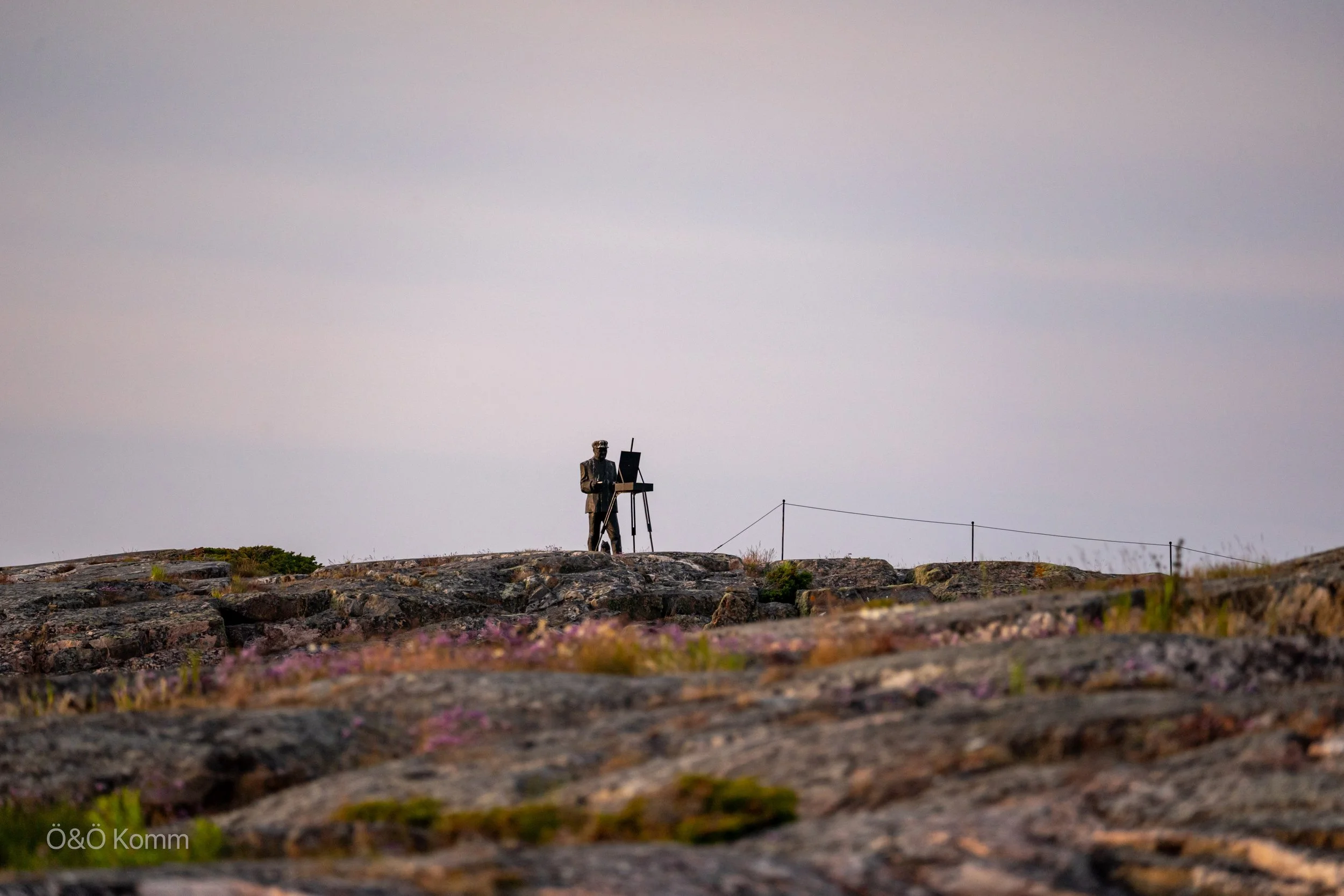
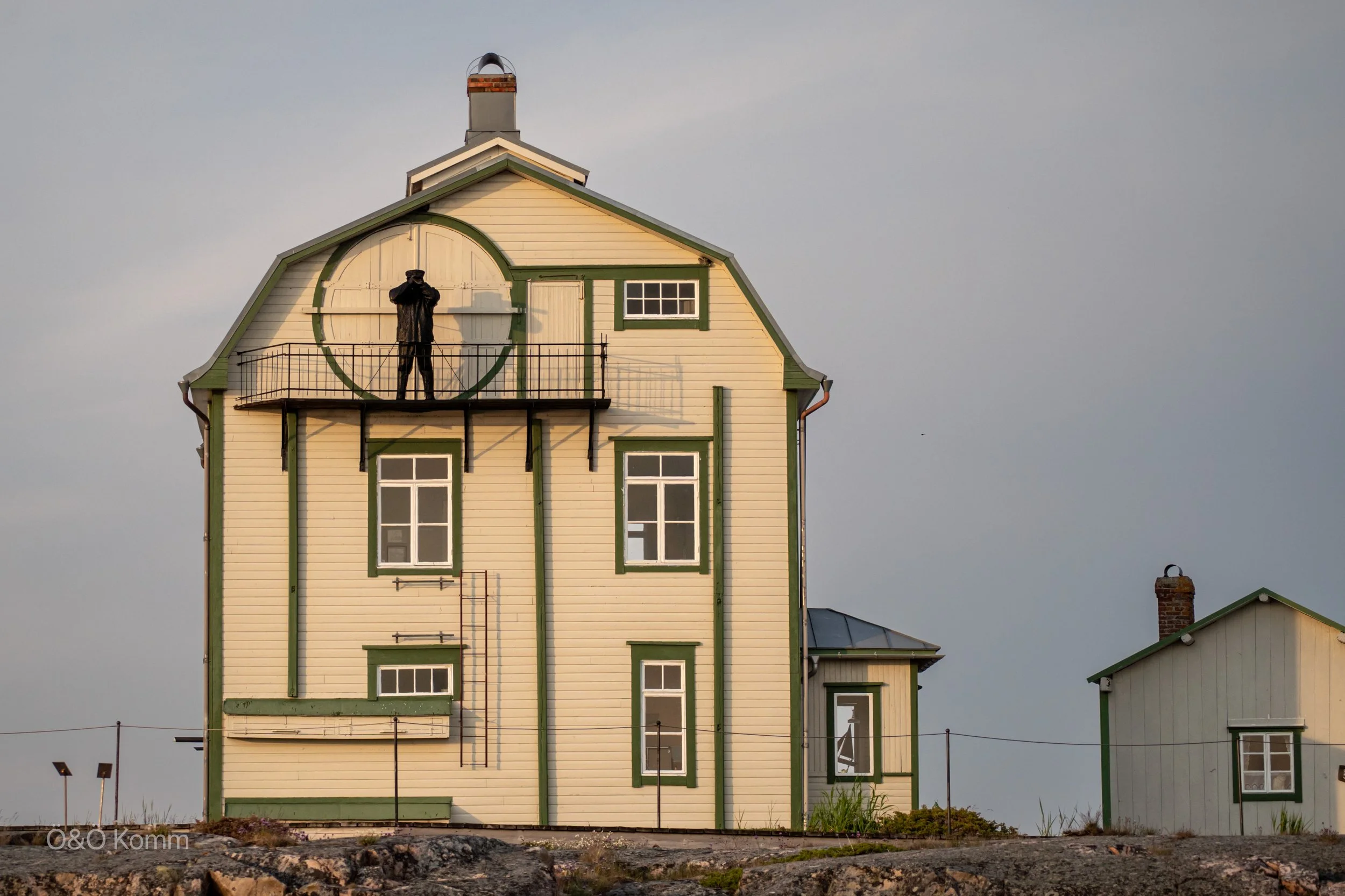
On Kobba Klintar, you can find art by Juha Pykäläinen. The Pilot standing on the balcony of the pilot house, keeping watch over the sea, the Artist with his easel, Ralle taking care of the machinery in the engine room, and several others.


Kobba Klintar
-
About 4 km west of Mariehamn’s Western Harbour.
-
The pilot station was established in the 1800s to guide ships safely through the Åland Sea.
-
Kobba Klintar is one of Åland’s thousands of islands and skerries, facing the open Åland Sea.
-
The boat trip from Mariehamn’s Western Harbour takes around 15–20 minutes.
-
The island’s exposed rocks and location along the shipping route make it a great place for both birdlife and maritime history.
Finnish melancholy at its best. Chamber music playing inside a beacon on Kobba Klintar, Åland Islands. Mikko Perkola on viola da gamba and vocals. Jarmo Julkunen on guitar.
A Spontaneous Little Film About Kobba Klintar
Many years ago, I made this little film. I visited Kobba Klintar without any particular plan, simply because I felt like going there. I had brought my camera – the iconic Canon 5D Mark II – and nothing much else.
The triangular white building is a copy of a nautical marker that once helped sailors navigate through the archipelago.
That day, beautiful music was playing inside the building and the weather was perfect, so I simply took the opportunity to film. I’m glad I did. It’s a lovely memory, and the music suited the place so well.
The Late Evening Show
A night visit to the Pilot's Islands
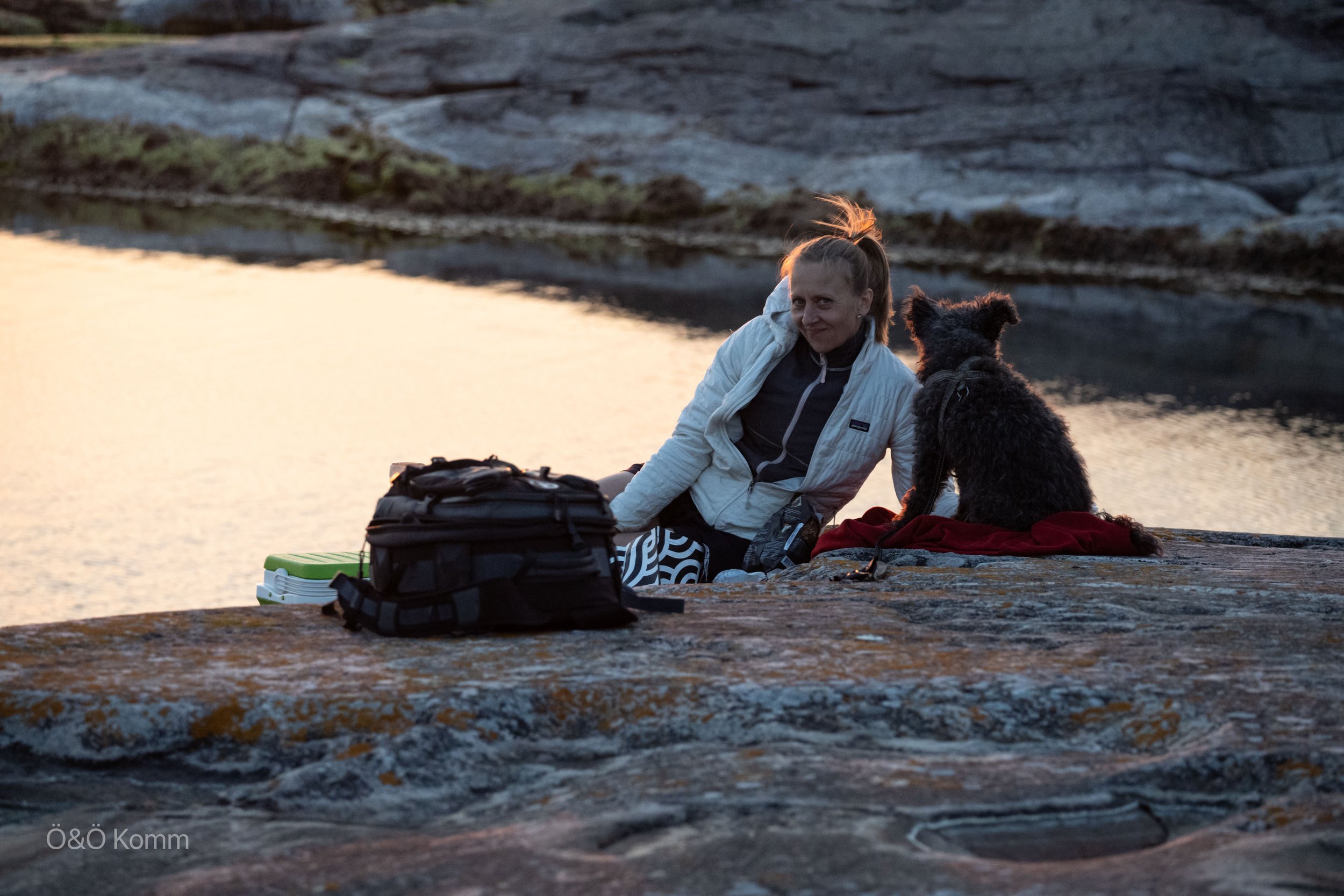
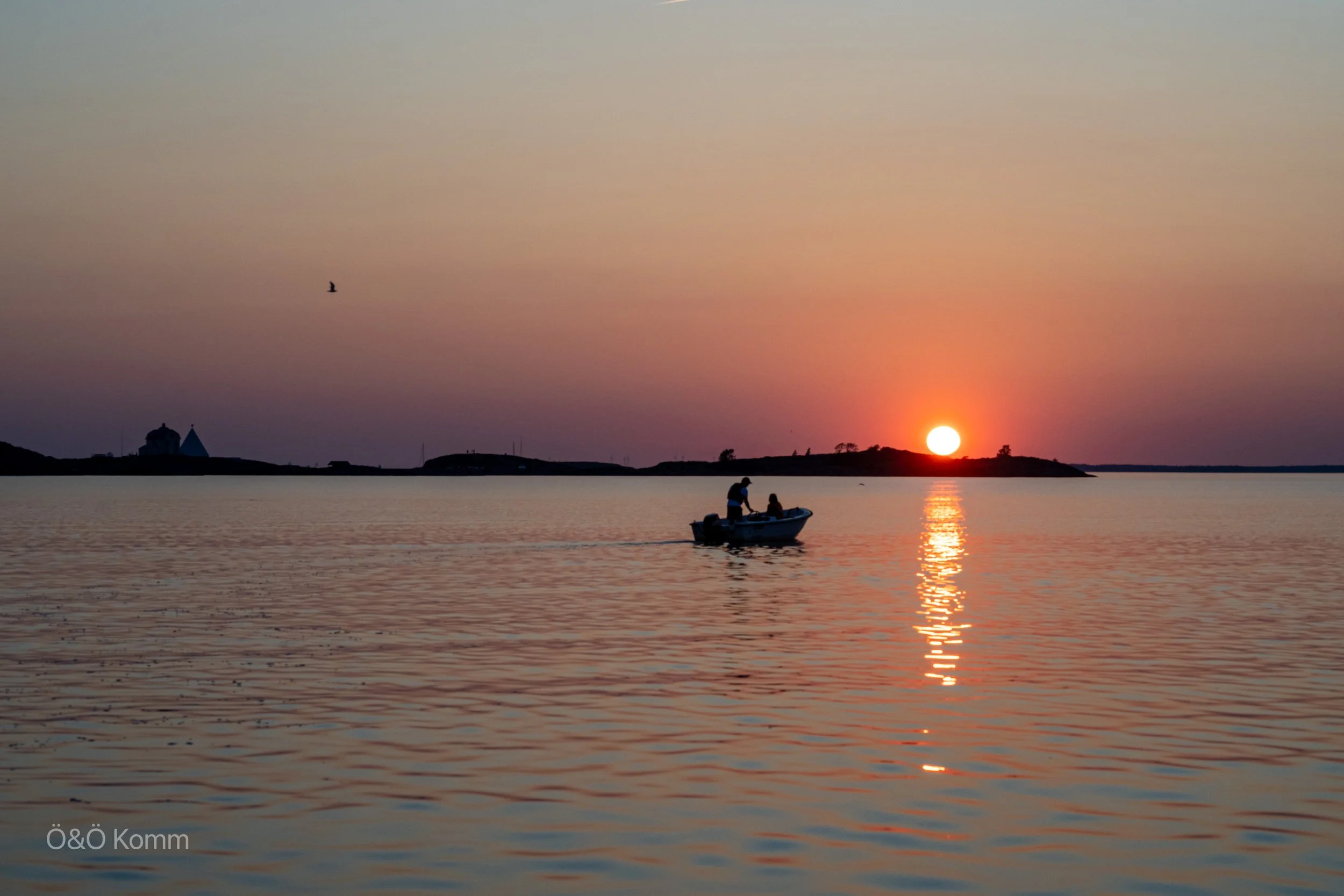
It's late evening but still bright. We drive the boat towards Kobba Klintar. A small island located west of Mariehamn. On the other side of Kobba Klintar, there is the sea and then eventually the Swedish coastline appears. But we can't go that far. Instead, we drive into the small port. The island has an excellent and protected harbor because there has been a pilot station here long ago.
I’m Not the Only One Enjoying the Sunset
During the summer, these small islands can be a paradise for birds, with plenty of food, quiet surroundings and safe places to nest and raise their young.
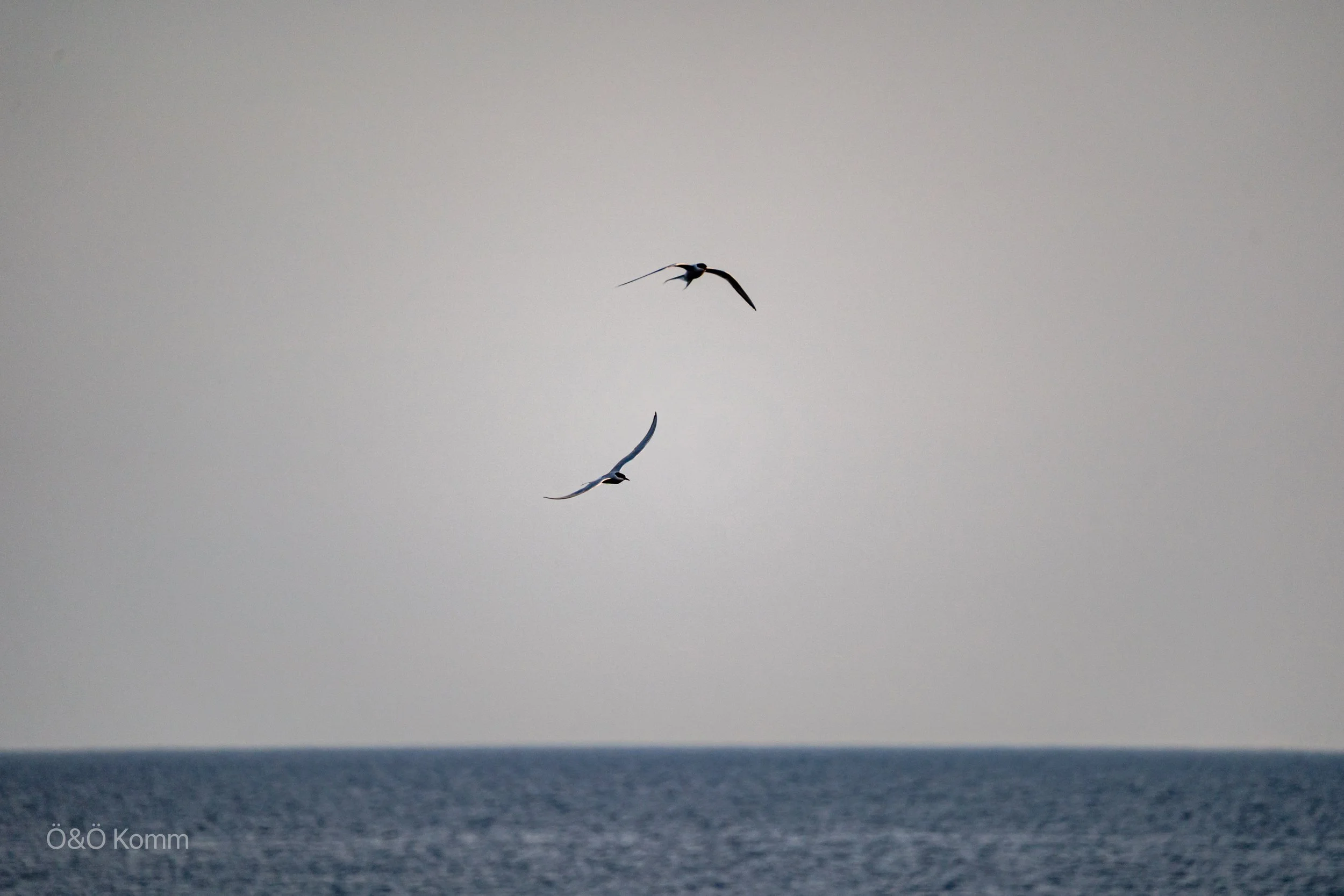
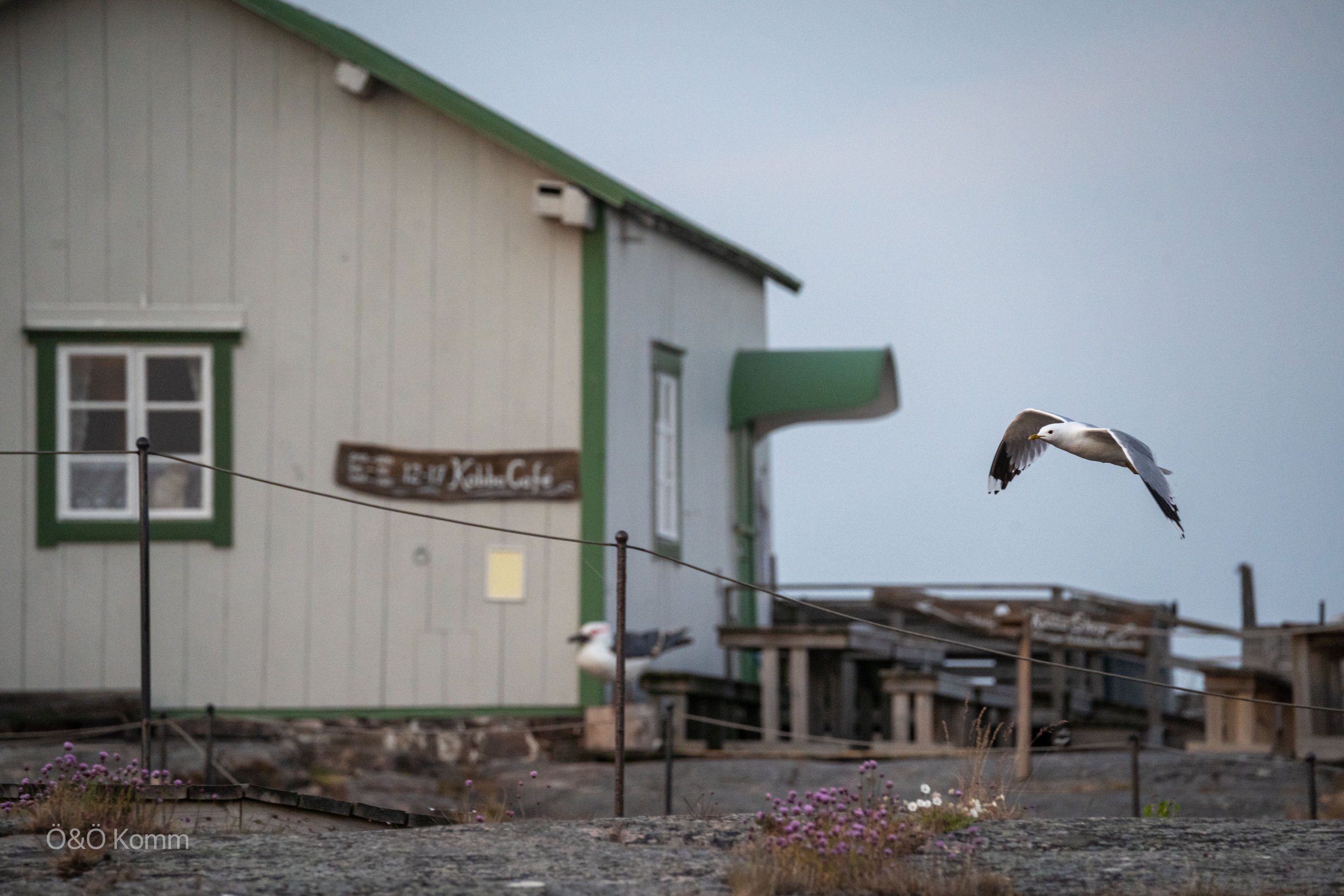
But when you step ashore, you don’t always feel welcome. Birds may fly dangerously close and scream at us, with the terns in particular seeming pretty angry. But we’re not there to steal eggs or chicks. We come in peace, hoping to enjoy the sunset and the long summer evening. After a while, they usually calm down.
At Kobba Klintar, the open landscape, rocks and sea make it a great place for bird photography. Stay quiet, slow down and let the birds come to you. A long lens helps, but knowing where they feed, rest or nest is just as important. For me, the real fun is watching their behaviour and catching those unexpected moments when bird, sea and light come together.
Bird Photography
I have to admit that I don’t actively go looking for birds to photograph. Instead, I tend to take bird photos when birds happen to cross my path.
For me, the real subject is the landscape — the light, the colours and the shapes. But a landscape can feel a little empty without something alive in it. A bird can be that little extra ingredient that brings the whole image to life.
I don’t have a huge collection of bird photos, and I rarely manage to photograph particularly rare species. I would, however, like to photograph more of the different seabirds that arrive in spring. It is fascinating to see all these birds that have played such an important part in Åland’s culture and traditions.
Bird photography does require time, though. And, preferably, a very long lens — 600 mm or more — together with a camera with good autofocus. In other words, bird photography is a bit of a gear sport, if I may borrow a term from the world of sports. Having the right equipment certainly helps.
It also helps to get up early. During the first part of the summer, the best light can come at an almost ridiculous early hour, especially in Åland when the nights are barely dark at all. By August, things get a little easier. The nights are darker, so you can sleep a bit longer in the morning and you don’t have to stay out quite so late in the evening.
The problem, at least for me, is finding the time. I’m a family man and a dog owner, with plenty of other things competing for my attention. That doesn’t exactly make it easy to spend entire mornings hiding in the bushes waiting for a bird to appear. Maybe I’m a little lazy, too.
But perhaps that is also part of what makes these moments special. I may not have the time to chase every rare species or wait for the perfect shot, but when I do get out there, I’m reminded that photography is not always about collecting images. Sometimes it is simply about being present — standing still, watching, and noticing what would otherwise have passed by.
So I’ll keep trying, whenever I can, to bring home a few good images. I may never become a master of bird photography, but perhaps that is not the point. The real reward may be the quiet hours spent waiting, and the feeling that, for a moment, I was allowed into the world of the bird.
-
![Two terns flying over the Åland Sea]()
Two terns dancing in the sky
-
![Seagull on the rocky shoreline of the Åland archipelago at sunset]()
Seagull on the rocky shoreline of the Åland
-
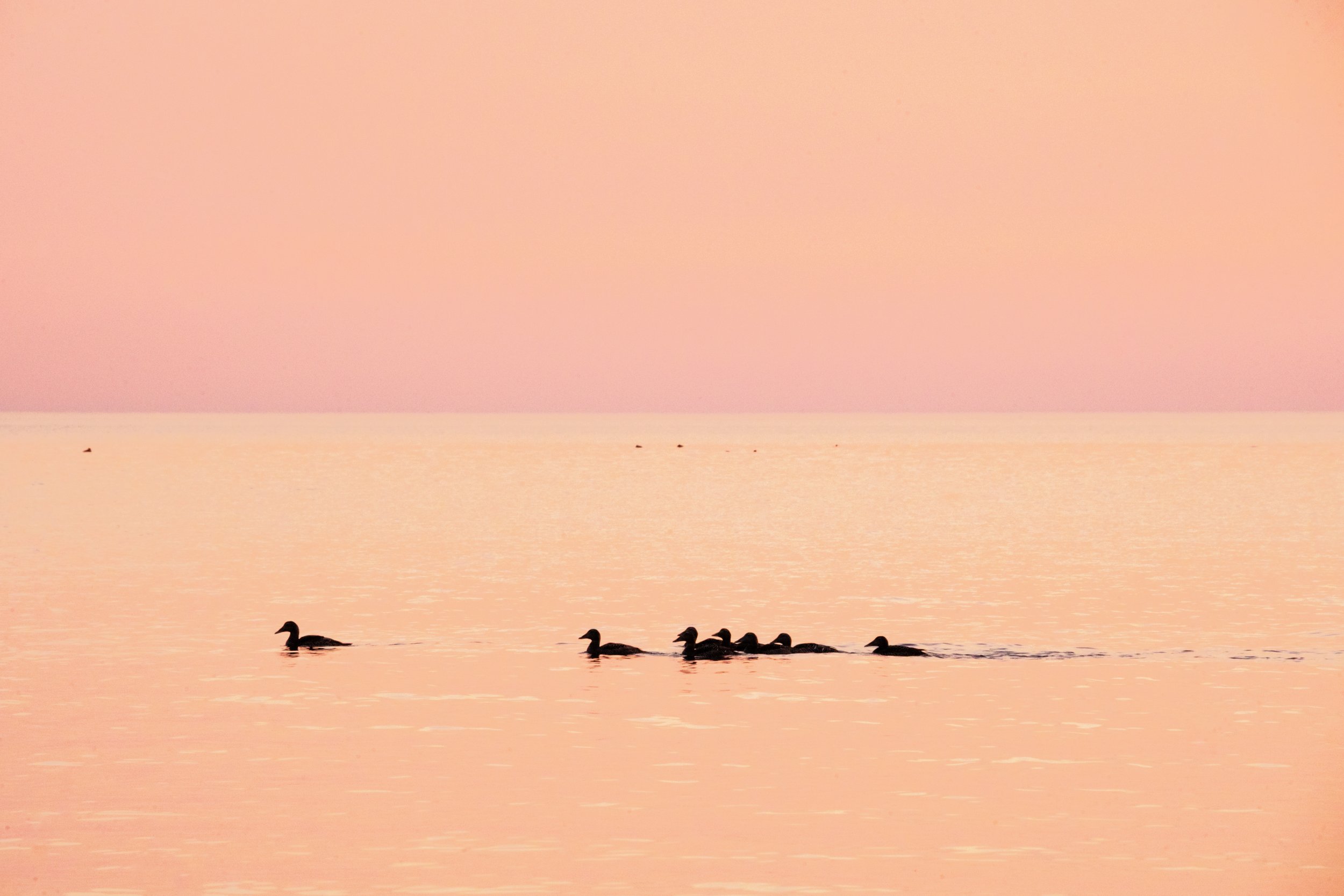
![Seabirds swimming in the calm waters of the Åland archipelago at sunset]()
Seabirds swimming in the Åland archipelago at sunset
-
![Two mallards flying over a calm body of water with their reflections visible.]()
Two mallards flying over spring ice
-
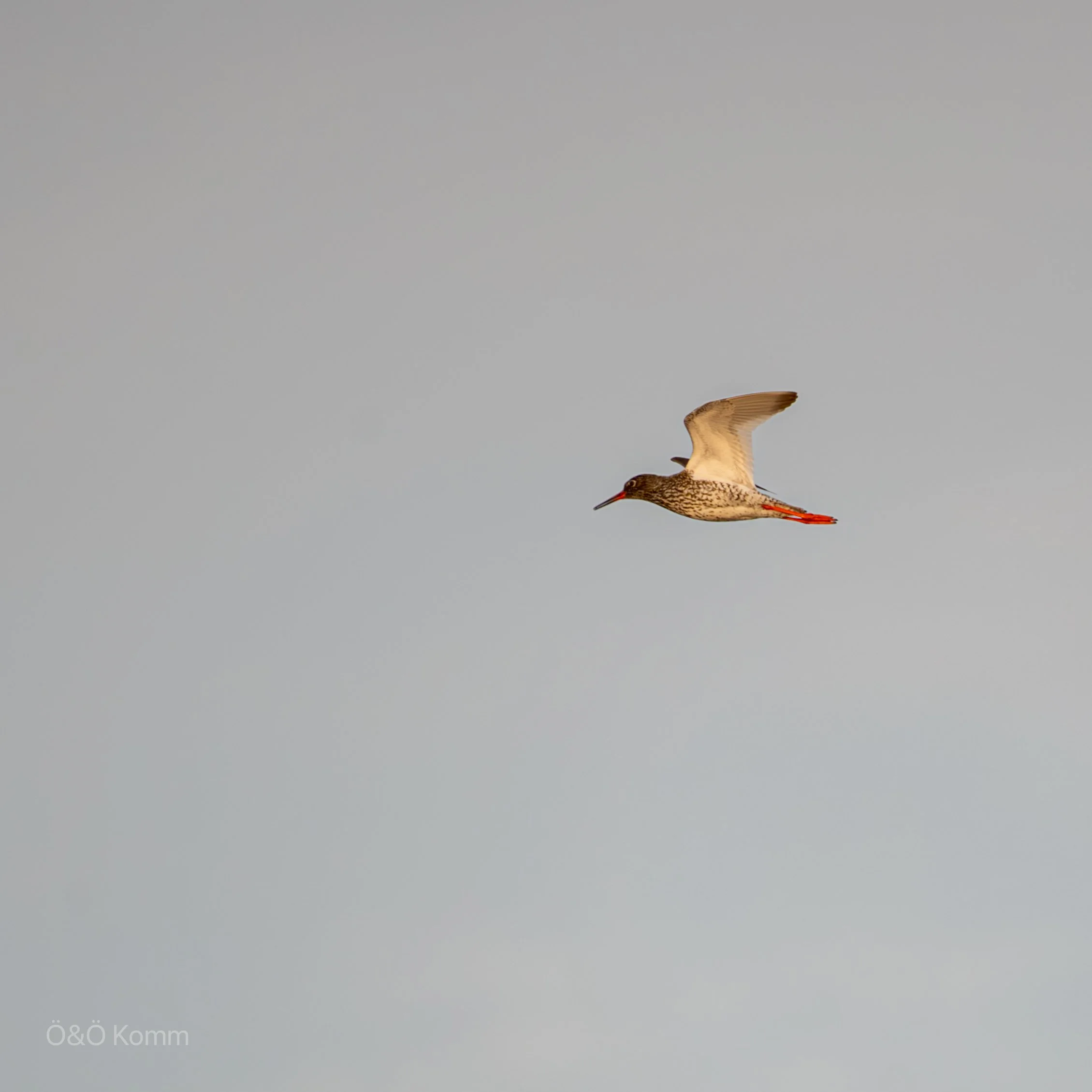
![A Common Redshank visiting Åland and Kobba Klintar]()
A Common Redshank visiting Åland and Kobba Klintar
-
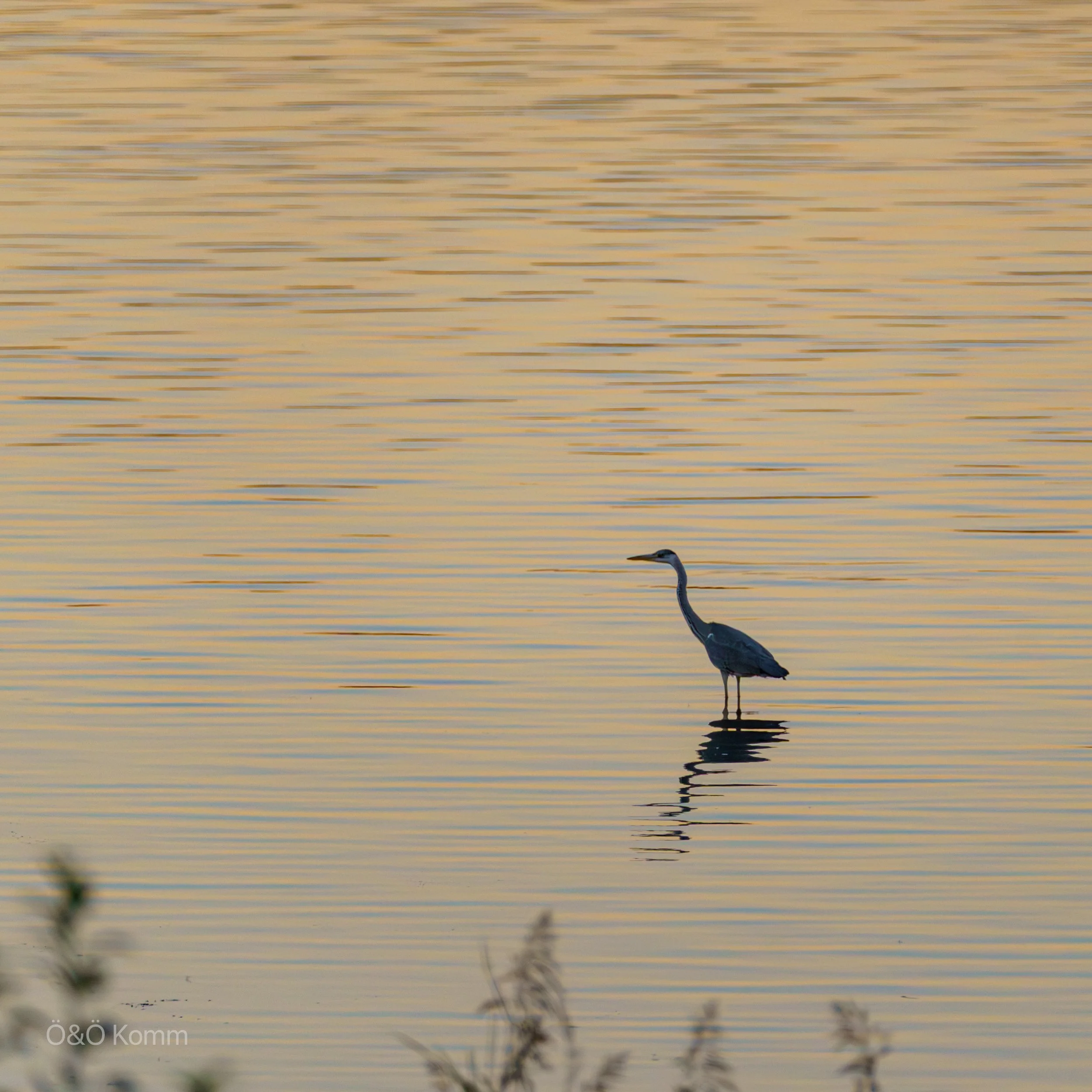
![A heron standing in shallow water with a reflection, surrounded by blurred plants at the bottom, at sunset or sunrise with warm colors in the sky and water.]()
A heron standing in shallow water
-
![A sunset over a body of water with a duck swimming in the foreground. The sky and water are in shades of orange and red.]()
A goosander enjoying the sunset
-
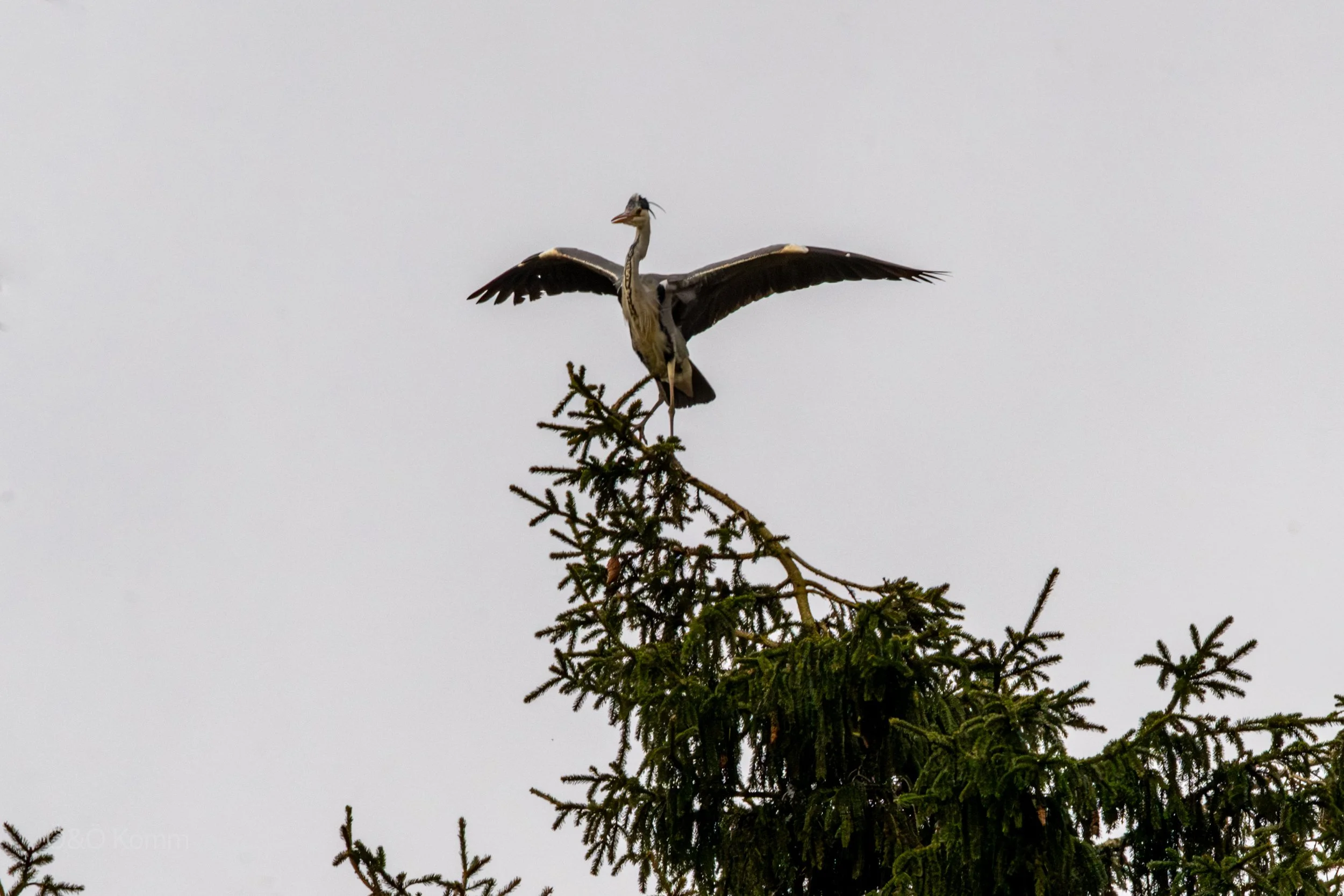
![A heron perched on top of a pine tree with its wings spread wide open against a gray sky.]()
A heron keeping watch from the top of a spruce